How to Sell Your Car Workshop or Auto Repair Business in Singapore
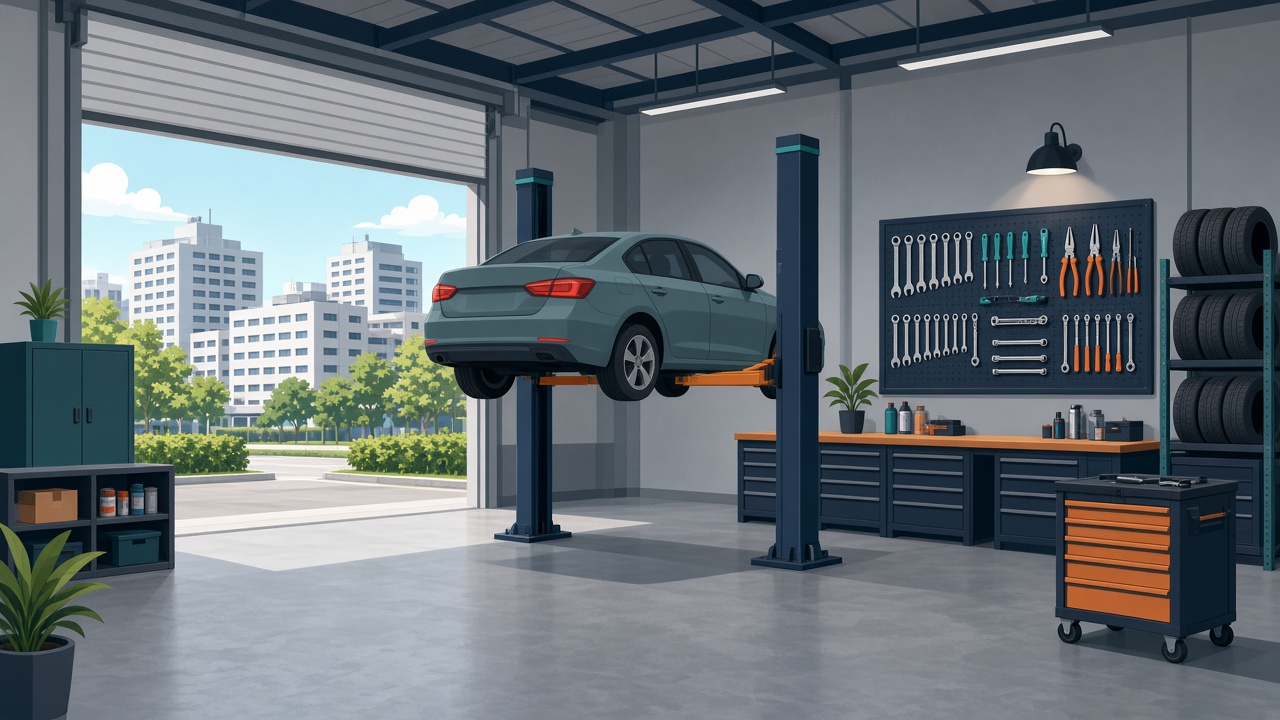
Short answer: you can sell a car workshop or auto repair business in Singapore as a share sale or an asset sale, and buyers will pay most for a workshop that can keep its premises, its mechanics and its customers after you leave. Before you list, confirm that your lease can pass to a buyer and that the unit is approved for vehicle repair, gather your waste oil collection, trade effluent and flammable storage records, and list which equipment you own outright and which is still on hire purchase.
What do buyers check before buying a car workshop?
Much of a workshop's value sits in the site, the tools and the people using them, so buyers look past the accounts. Expect questions on:
-
Premises: years left on the lease, renewal terms, landlord or JTC consent, and whether the unit's approved use covers motor repair.
-
Safety and environment: how petrol, thinners, paints and waste oil are stored, who collects the waste, and any PUB or SCDF approvals.
-
Equipment: lifts, diagnostic scanners, spray booths and compressors, with who owns each one.
-
Customers: the mix of walk-in, fleet, corporate and insurance work, and whether any single account dominates.
-
People: who the senior mechanics are, whether they will stay, and the work pass status of foreign staff.
-
Records: job cards, warranty claims, complaints and accounts that match the bank statements.
Our general guide on what buyers check in due diligence covers the rest. This article focuses on what is specific to workshops.
Can you pass your workshop premises to a buyer?
A buyer cannot run the business without the site, so start with zoning. URA lists "Repair & Servicing" among the allowable predominant uses in Business 2 (B2) industrial developments, but the approved use of your particular unit is recorded separately. You can confirm it through URA's Enquiry on Approved Use of Premises and show the result to buyers.
If JTC is your landlord, check whether you hold a tenancy or a lease, because the rules differ. JTC says a transfer of tenancy is only considered for corporate restructuring, such as moving the business into a related company, and the new tenant pays the same rent and keeps the same use. A transfer of lease to a buyer is possible, but it needs JTC's approval and an assessment of the buyer's business plan, and the current lessee must apply. JTC tenants also cannot sublet to unrelated businesses, so a buyer cannot simply sublet your space from you.
With a private landlord, read the assignment and change-of-control clauses in your lease, and speak to the landlord before you sign with a buyer. Some leases treat a change of shareholders as an assignment that needs consent. Our guide to selling a business on rented premises explains how to handle the landlord.
Which waste, effluent and fire safety records should you prepare?
Buyers and their advisers now ask about this early, partly because of a joint MOM and SCDF circular of 6 February 2024 to motor vehicle workshop owners. It followed a March 2023 explosion and fire likely caused by flammable vapours from a waste oil collection tank in a room serving a motor workshop. The circular tells workshops to keep flammable liquids away from ignition sources, in covered, labelled, non-combustible containers, to store flammable liquid waste such as petrol separately from non-flammable waste, and to use toxic industrial waste collectors licensed by NEA.
-
Waste oil: used lubricating oil and spent motor oil are listed as toxic industrial waste under NEA's regulations. Keep your collector's name and collection records. NEA publishes a list of licensed collectors you can check yours against.
-
Trade effluent: premises that discharge trade effluent into the public sewer need Written Approval from PUB. PUB says the approval is valid for the business at the location where it was applied for, so an incoming business should ask PUB whether it needs its own. Keep your oil interceptor cleaning and test records; PUB's trade effluent FAQs describe how to maintain one.
-
Flammable storage: SCDF requires a petroleum and flammable materials storage licence once stored quantities exceed set exemption limits. When several different flammable liquids are stored together, the licence-free limit is 40 litres in total, so add up your paints, thinners and solvents. If you hold a licence, ask SCDF what the buyer must do to continue it.
Should you sell shares or the workshop's assets?
If your workshop is a private limited company, a share sale is often simpler. The company keeps its lease, contracts, staff and approvals, and only the owners change. The buyer pays stamp duty of 0.2% of the price or the value of the shares, whichever is higher, and the transfer of shares must be filed with ACRA within 14 days. The trade-off is that the buyer also takes on the company's past, so expect more due diligence and warranties.
In an asset sale, the buyer's business buys the equipment, goodwill, customer list and sometimes the name. The lease, PUB approval, licences and supplier accounts do not move automatically, and each needs consent or a fresh application. If you are GST-registered, the sale may qualify as a transfer of a going concern, so no GST is charged on the assets if IRAS's conditions are met. See our guides on asset sale vs share sale and GST in a business takeover.
What happens to your mechanics and foreign workers?
In a share sale, the employer does not change. MOM confirms that a transfer of shares is not a transfer of employment, so contracts and work passes carry on. In an asset sale, section 18A of the Employment Act moves employees to the buyer on their existing terms, and they must be told before the transfer.
For work pass holders, MOM has a change of business entity process for restructuring, including acquisitions, backed by documents such as the sale and purchase agreement. The new company can take all pass holders, or only Employment Pass holders, in which case S Pass and Work Permit holders need fresh applications. All outstanding levy must be paid, and MOM asks for the request 1.5 to 2 months before the transfer date. Our guide to taking over staff explains the buyer's side.
How do you value a car workshop?
Most buyers price a workshop on its maintainable profit, then adjust for risk. Three risks matter most:
-
The owner is the chief mechanic. If you diagnose the hard jobs and keep the regulars, a buyer will pay less or ask you to stay on. Training a senior mechanic to lead the floor, as covered in making a business run without the owner, adds value.
-
One account dominates. Revenue from a single fleet operator, leasing company or insurer is worth less than a broad base. Show a customer breakdown, and check whether any contract can be ended on a change of owner.
-
The equipment is not fully yours. Lifts, scanners or spray booths on hire purchase or lease usually stay with the financier until paid off, so settle them or get the financier's agreement before completion.
Stock of parts, oils and tyres is usually priced separately at completion; see stock and working capital in a sale. For methods and multiples, read how to value a business in Singapore and how much to sell a business for.
How do you prepare your workshop for sale?
-
Lease or JTC tenancy, remaining term, and the landlord's position on a new owner.
-
URA approved-use result for the unit.
-
Waste oil collector details and collection records, PUB approval and interceptor records, and any SCDF licence.
-
Equipment register showing owned, leased and financed items.
-
Two to three years of accounts, matched to bank statements, plus job volumes by month.
-
Customer breakdown and copies of fleet, insurer or corporate agreements.
-
Staff list with roles, years of service and work pass expiry dates.
Write the listing around what a buyer gets on day one: bays, lifts, staff, approvals and the customer base. Browse automotive businesses for sale to see how others present theirs, such as this car workshop for takeover, this Jurong West auto workshop and this Woodlands auto repair shop.
Frequently asked questions
Can I sell my car workshop in Singapore?
Yes. You can sell the shares of the company that runs it, or sell its assets, such as equipment, goodwill and customer list, to the buyer's business. A share sale is usually simpler because the lease, staff and approvals stay with the company.
Can my JTC workshop unit be transferred to a buyer?
It depends on whether you hold a JTC tenancy or lease. JTC only considers a transfer of tenancy for corporate restructuring. A transfer of lease to a buyer needs JTC's approval and an assessment of the buyer's business plan.
Is a motor workshop allowed in any industrial unit?
No. URA lists repair and servicing as an allowable use in Business 2 (B2) industrial developments, but each unit has its own approved use. Check yours through URA's Enquiry on Approved Use of Premises before you list.
What records about waste oil should I show buyers?
Show who collects your used oil and the collection records. Used lubricating oil is toxic industrial waste under NEA's regulations, and a joint MOM and SCDF circular tells workshops to use NEA-licensed toxic industrial waste collectors.
Does my PUB trade effluent approval pass to the buyer?
PUB says a Written Approval is valid for the business at the location where it was applied for. In an asset sale, the buyer should check with PUB whether a new approval is needed. In a share sale, the business does not change.
What happens to my foreign mechanics when I sell?
In a share sale, their employer stays the same, so their passes continue. In an asset sale, the buyer can use MOM's change of business entity process, applying 1.5 to 2 months ahead with all outstanding levy paid.
How much does it cost to list my workshop on SG Business Mart?
SG Business Mart charges a one-time fee per listing, starting from S$49. See the pricing page for each package, then create your listing on the Sell page.
Ready to sell your car workshop?
Bays, equipment, trained mechanics and loyal customers take years to build, and the right buyer will pay for them. List your car workshop on SG Business Mart: you write the listing, choose a package on the pricing page, and buyers contact you directly. You can also browse all businesses for sale to see what buyers are comparing yours with.