Can You Sell a Business That Is Losing Money in Singapore?
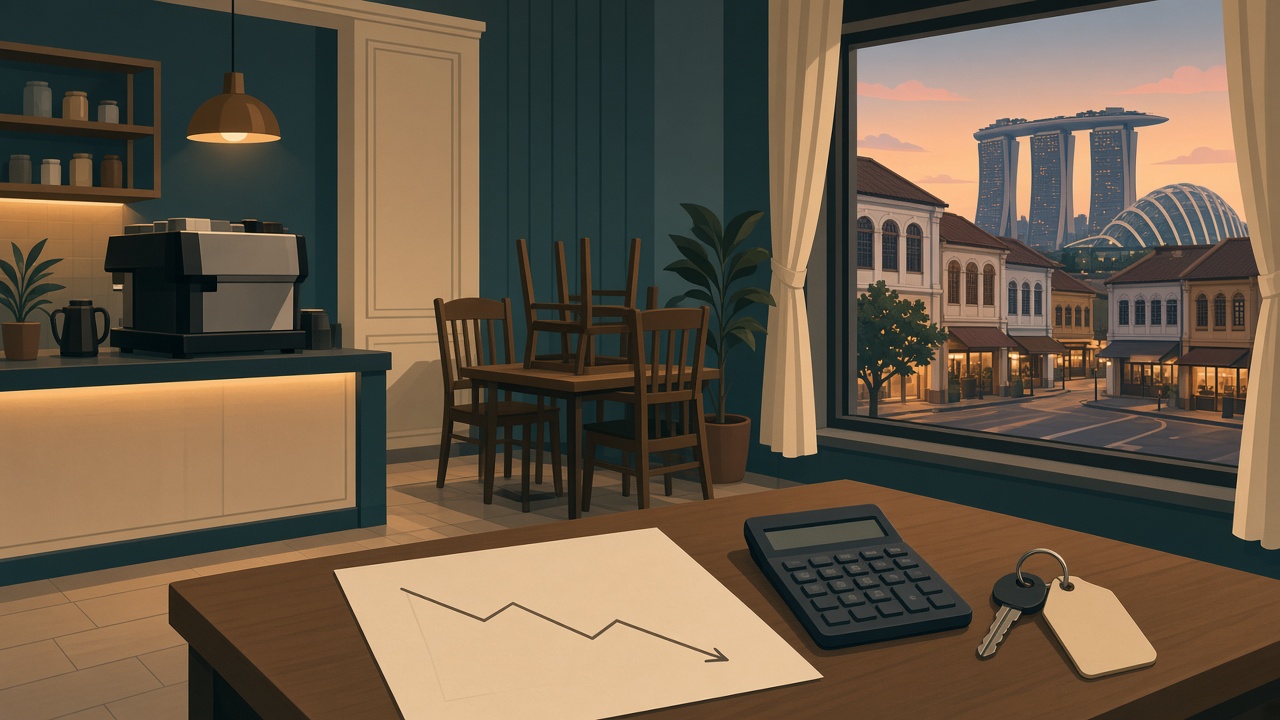
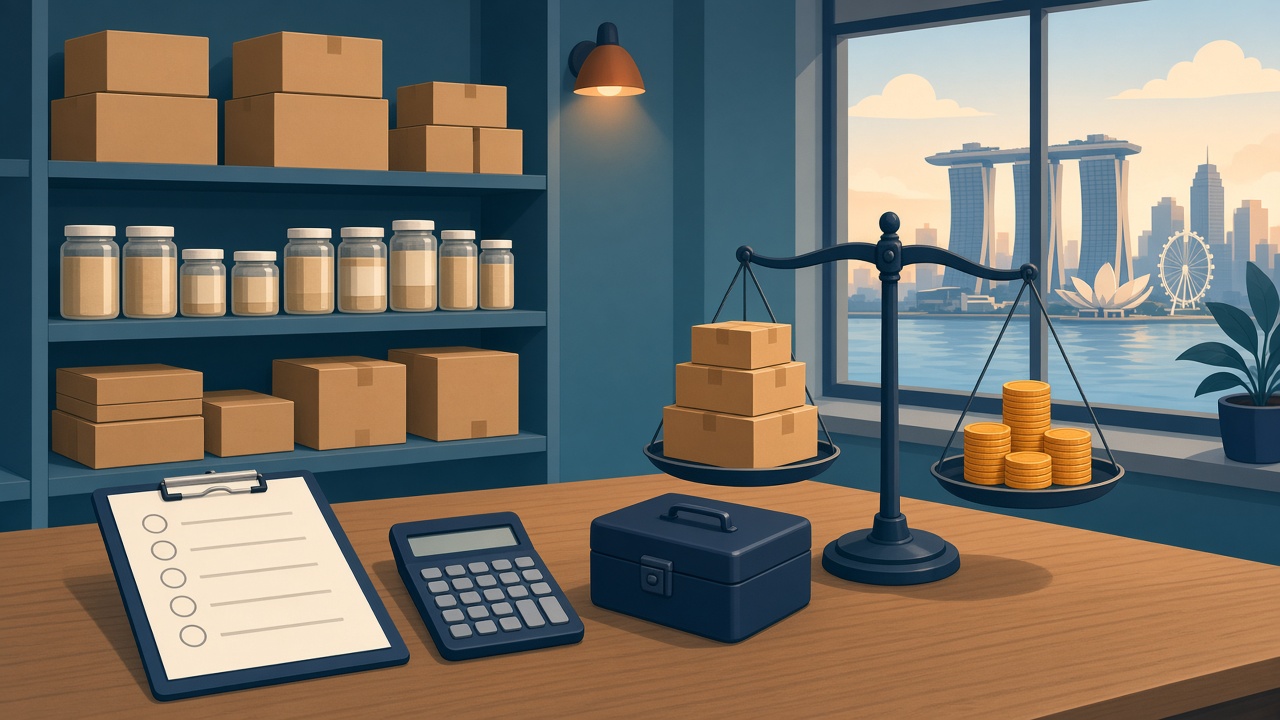
Short answer: yes, you can sell a business that is losing money in Singapore. Buyers often pay for the location, lease, equipment, customers, staff or brand rather than the current profit, so a struggling business can still find a buyer who believes they can run it better. Expect a price closer to the value of the assets than to a profit-based valuation, and sell while the business is still trading. If the company cannot pay its debts, take advice early, because closing it through striking off or winding up has its own rules.
This guide is general information based on guidance from MinLaw, ACRA and IRAS, checked on 30 October 2026. It is not legal or tax advice. If your company may be insolvent, speak to a lawyer or a licensed insolvency practitioner before you act.
Why would anyone buy a business that is losing money?
A buyer is not buying your past results. They are buying what they can do with the business. Losses often come from things a new owner can change: the owner's own salary, rent that can be renegotiated, a menu or product mix that has drifted, weak marketing or simply an owner who has run out of time and energy.
What a buyer can actually take over often has value on its own: a fitted-out unit that would cost a lot to build from scratch, an established location with foot traffic, working equipment, trained staff, licences that suit the premises, a customer list, or a brand with followers. Our guide on whether to close or sell a restaurant shows how this plays out for F&B outlets.
Who buys a loss-making business in Singapore?
- Competitors and nearby operators who want your location, customers or staff to grow faster than opening a new outlet.
- Turnaround buyers, often experienced operators, who see a fixable problem such as cost control, pricing or marketing.
- Asset buyers who mainly want the equipment, fit-out or the unit itself.
- Your own managers or staff, who know the business best. See our guide to selling to your managers or staff.
How is a loss-making business priced?
Common valuation methods multiply profit or cash flow. With no profit, there is nothing to multiply, so pricing usually starts from the assets and what they save a buyer:
- the fair second-hand value of equipment and fit-out, not what you paid for them;
- saleable stock, usually at cost;
- deposits that can be transferred, such as the rental deposit, if the landlord agrees;
- the value of not having to wait for renovation, licences and hiring.
Something extra may be paid for goodwill if the business has steady revenue, a strong location or a loyal customer base, even though it is not yet profitable. Our guides to business valuation in Singapore and how much to sell a business for explain the usual methods.
Be honest about the numbers. Show the losses clearly, then show what drives them, such as an above-market rent or an owner salary a buyer would not pay. Buyers trust a seller who explains the losses far more than one who hides them, and hidden problems tend to come out in due diligence. Our guide on preparing your financials for a sale shows how to present them.
Should you sell the assets or the whole company?
For a loss-making business, an asset sale is usually the more practical route. The buyer takes the business, equipment, stock and, with the landlord's consent, the lease, but not the company's debts. The company receives the sale money and uses it to pay its creditors. A share sale means the buyer takes on every debt and claim inside the company, so it only works if the liabilities are small and well documented.
Two things often decide whether an asset sale can happen:
- The lease. Most commercial leases need the landlord's consent to assign or sublet. See our guide to selling a business in rented premises.
- Loans and charges. If equipment or other assets are pledged to a lender, or you have personally guaranteed a loan, the lender usually has to agree before those assets can be sold. See our guide to selling with a bank loan or personal guarantee.
What deal terms can help close the gap on price?
When you and a buyer disagree on what the business is worth, the structure of the deal can bridge the gap:
- Earn-out. Part of the price is paid later only if the business hits agreed targets. Useful if you believe a recovery is under way. See our guide to earn-outs and deferred payment.
- Vendor financing. You let the buyer pay part of the price in instalments, which widens the pool of buyers but means you carry the risk of not being paid.
Our guide on negotiating business sale terms covers how to trade these points against the headline price.
Should you sell or close the business?
Compare what each option leaves you with. Closing usually means paying for reinstatement of the unit, losing or fighting over the rental deposit, selling equipment cheaply, and possibly paying staff and suppliers with no income coming in. A sale can transfer some of those costs to the buyer and may keep jobs and the brand alive. If a sale would recover more than closing after these costs, it is worth trying first.
If you do close a company, there are two main routes:
- Striking off. ACRA's striking off guide says the company must have stopped trading, have no unpaid debts or unresolved issues with any government agency, have no charges in the charge register, not be involved in legal cases, and own nothing and owe nothing. IRAS says on its strike off page that all outstanding tax matters, including GST, must be settled first, or it will object.
- Winding up. If the company still has assets to sell or debts it cannot pay, it is wound up by a liquidator who sells the assets and pays creditors in the order set by law.
Sole proprietors close differently from companies; see our guide to selling a sole proprietorship.
What is the Simplified Insolvency Programme 2.0?
According to MinLaw, the revamped Simplified Insolvency Programme (SIP 2.0) started on 29 January 2026 and is now a permanent part of the Insolvency, Restructuring and Dissolution Act 2018. It has two parts: a Simplified Debt Restructuring Programme for viable businesses that need to restructure their debts, and a Simplified Winding Up Programme for the orderly winding up of non-viable businesses and eligible dormant companies.
The main entry condition is that the company's total liabilities, including contingent and prospective liabilities, do not exceed S$2 million, and that nothing makes the company unsuitable, such as already being in other insolvency proceedings. The processes are run out of court by licensed insolvency practitioners. An insolvency practitioner can tell you which route fits.
When is it too late to sell?
Selling gets much harder once the company cannot pay its debts as they fall due, a lender is enforcing a charge, the landlord is ending the lease, or creditors have started legal action. At that stage directors must also be careful: taking on new debts when the company is insolvent can expose directors to personal liability under the wrongful trading rules. The best time to sell a struggling business is while it is still open, still has a lease, and still has customers walking in. Our exit readiness checklist and the guide to selling a business in Singapore help you plan the steps.
Frequently asked questions
Can I sell a business that is not making a profit?
Yes. Buyers pay for what they can use: equipment, fit-out, the location and lease, stock, customers, staff, brand and licences that suit their plans. A loss-making business usually sells for less than a profitable one, often closer to the value of its assets, but it can still sell for more than closing would return.
Who buys a loss-making business?
Common buyers are competitors who want your location, customers or staff; operators who believe they can turn it around with better management or lower costs; and buyers who mainly want the assets, fit-out or premises. Some owners also sell to their own managers.
How is a loss-making business valued?
Profit-based methods do not work when there is no profit, so pricing usually starts from the assets: equipment, fit-out, stock and deposits, adjusted for condition and what a buyer would spend to set up from scratch. A good location, lease or customer base can add value on top of that.
Should I sell the assets or the company?
If the company has debts, buyers usually prefer to buy only the business assets and lease, leaving the debts with the company. You then use the sale money to pay creditors. A share sale of a loss-making company is less common because the buyer takes on everything inside it.
What is the difference between striking off and winding up a company?
Striking off is ACRA's simpler route for a company that has stopped business and owns nothing and owes nothing. Winding up, or liquidation, is for a company that still has assets or debts to deal with, and is handled by a liquidator who sells assets and pays creditors.
What is the Simplified Winding Up Programme?
It is part of MinLaw's revamped Simplified Insolvency Programme, which started on 29 January 2026. It offers a simpler, out-of-court winding up run by a licensed insolvency practitioner for companies whose total liabilities, including contingent and prospective ones, do not exceed S$2 million.
When is it too late to sell my business?
It becomes much harder once the company cannot pay its debts, assets are charged to a lender, the lease is ending or the landlord is reclaiming the unit, or creditors have started legal action. Selling early, while the business is still trading, usually gets a better price and more options.
Ready to sell your business?
A struggling business often sells best before the losses grow, while buyers can still see it trading. SG Business Mart is a business-for-sale marketplace, not a broker: you list your business, interested buyers contact you directly, and you agree the price and terms with your own advisers. Listings are a one-time fee per listing, currently Basic S$49 for 30 days, Standard S$79 for 60 days and Premium S$99 for 180 days, as shown on our pricing page. Browse the businesses for sale in Singapore to see how other owners present takeover opportunities.
If selling makes more sense than closing: list your business for sale on SG Business Mart.